Ll of the Following Were Art Forms of the Heian Period Except
Fill up in the bare. A(n) ________________ is a semicircular niche in the wall of a mosque that indicates the direction that Muslims should face when praying.
.
Elements from which of the post-obit creative traditions were adopted in early Islamic art and compages?
.
Fill in the blank. The gardens of wealthy Islamic patrons were often designed based on descriptions of ________________.
.
Fill in the blank. The _________________ are famous for building palaces that are oft referred to as "desert castles."
.
Which of the post-obit is best described as a cube-like brick structure covered in a blackness cloth embroidered with verses from the Koran that is the focus of Islamic pilgrimage?
.
Which of the following is the oldest extant case of Islamic architecture and was constructed past the Umayyad Caliphate?
.
This paradigm depicts the Courtyard of Lions, part of what big palace complex?
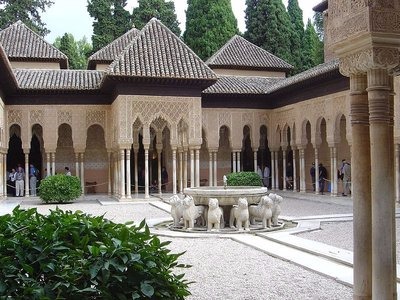
.
Fill up in the blank. This prototype depicts the prayer hall of _______________. Its arches are fabricated of alternating red and white wedge-shaped blocks that are associated with Umayyad monuments, such every bit the Umayyad Mosque and the Dome of the Stone.
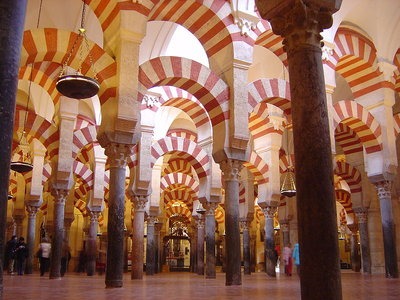
.
Fill in the blank. This image depicts _____________, the commencement monumental building projection in Islamic history.
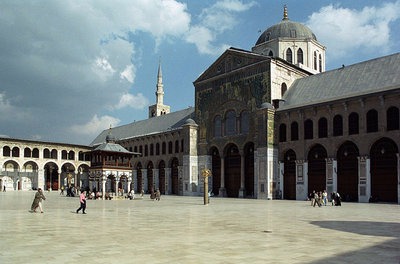
.
This paradigm shows the courtyard of which structure? The flooring of the courtyard is made of marble and its arcades are decorated with gold mosaics.
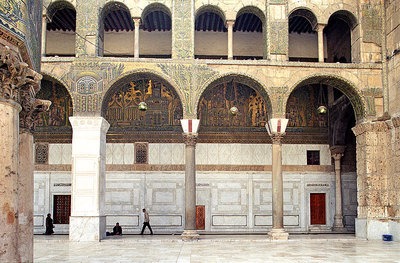
.
This image shows the honeycomb-like vaulted ceiling of the Hall of the Abencerrajes in which of the following buildings?
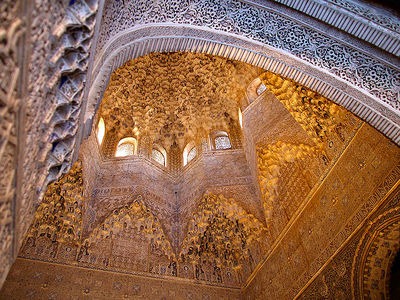
.
This picture shows what important Islamic shrine that covers the site where Muhammad was said to have ascended into the sky with the Angel Gabriel?
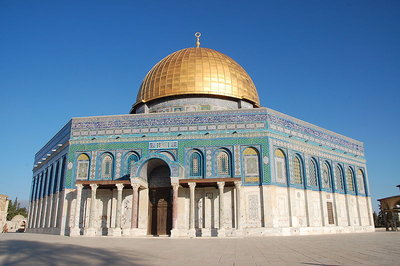
.
When praying, Muslims face in the direction of which of the following?
.
Which of the following is part of the Five Pillars of Islam?
.
Which of the following is the earliest way of Standard arabic calligraphy?
.
Which of the following statements about the Hajj is imitation?
.
Which of the following statements near mosques are true?
.
Which of the post-obit structures are located in Haram Al-Sharif?
.
Which of the following would you Non find decorating a mosque?
.
Which of the following is a style of Spanish fine art and compages produced in the twelfth to 16th centuries that combines Islamic and Romanesque, Gothic, or Renaissance architectural elements and decorative motifs?
.
Which of the following can best exist described as tall towers from which the call to prayer is oft fabricated?
.
Which of the following refers to Islamic religious laws and customs that govern every aspect of a Muslim's life?
.
What was the capital of the Umayyad dynasty?
.
Fine art produced during which of the following periods combines elements of Islamic, Western farsi, and Central Asian-Turkic artistic traditions?
.
Inlaid bronze and brass objects decorated with Arabic script in which letters were transformed into human and brute figures are associated with which time period?
.
The introduction of luster painting over a white glaze is associated with which fourth dimension menstruum?
.
The mud-brick mausoleum of Sultan Sanjar occupies the centre of the ruined city wall of Merv, the capital of which dynasty?
.
The tomb tower and the square domed mausoleum are the 2 types of funerary architecture most associated with what dynasty?
.
The tradition of building royal mausoleums was introduced to the Islamic world during which time period?
.
This prototype depicts the minaret of which mosque built by one of the rulers of the Abbasid caliphate?
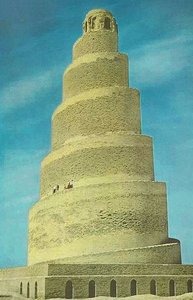
.
What city briefly served equally the majuscule of the Abbasid caliphate from 833-883 and is an important source of information about Abbasid art and architecture?
.
Fill in the blank. When compared to before Islamic art and architecture, which was based on Hellenistic/Late Roman forms, _______________ architecture shows a new monumental mode that included elements of earlier Sassanian compages and massive brick piers and arches.
.
Which of the post-obit is the Iranian term for a portal that projects over the facade of a building?
.
Which of the post-obit mosques, located in Fez, Morocco, is the largest mosque in Africa as well as one of the earth's oldest universities?
.
Which of the following were congenital forth important trade routes by Islamic rulers and wealthy patrons to provide protection and lodgings to travelers?
_____ were built forth important trade routes by Islamic rulers and wealthy patrons to provide protection and lodgings to travelers.
.
Fill in the blank. The circular City of Peace, _______________, was the capital of the Abbasid caliphate.
.
Fill in the blank. Vaulted halls that are walled on three sides, known as ________________, became one of the basic units of the Islamic compages during the Seljuk menses.
.
Compages built under which of the following dynasties was made primarily of stone but included doors, panels, mihrabs, and lattice-work screens that were made of wood?
.
City planning under which of the post-obit rulers centered on the palace of the ruler rather than a central mosque?
.
Enameled glass lamps, such as the slice y'all encounter here, are associated with which of the following dynasties?
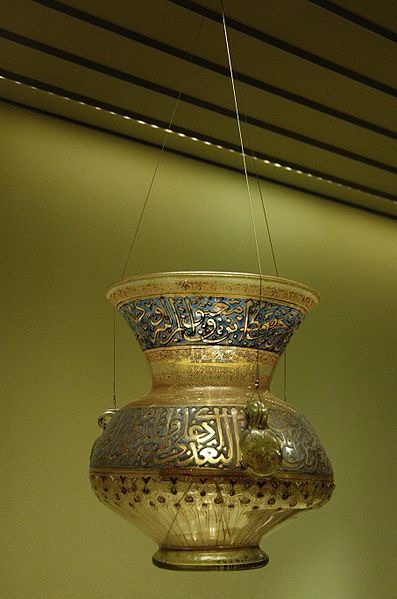
.
Mosques congenital by which of the post-obit rulers are distinctive considering of their absenteeism of minarets?
.
This paradigm depicts which mosque built by the Mamluks that is office of a circuitous that includes the mosque, a madrasa, and a mausoleum?
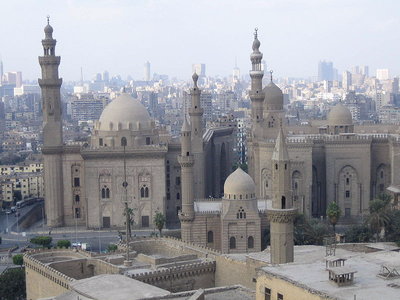
.
This paradigm depicts which of the following mosques that was first built past the Fatimids and later became the largest Sunni university in the world?
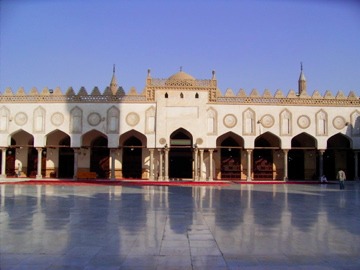
.
This image depicts which of the following structures built by the Ayyubid ruler Saladin?
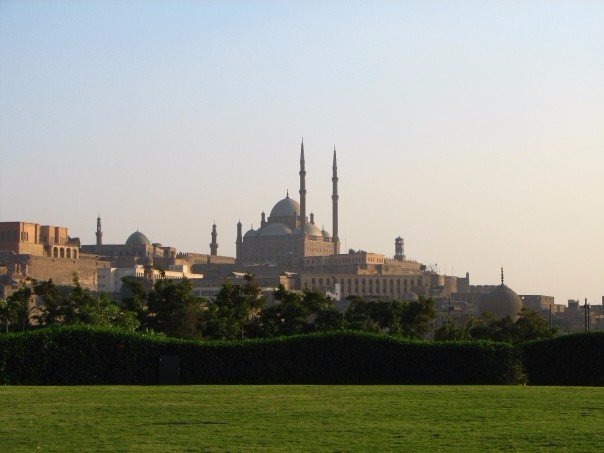
.
Tiraz textiles are associated with which of the following dynasties?
.
Which of the following is characteristic of Mamluk architecture?
.
Which dynasty focused virtually of its patronage on constructing madrasas, some of which housed several Sunni schools that were organized effectually a key courtyard?
.
Fine art and compages of which menstruation was a fusion of Farsi, Islamic, and East Asian traditions?
.
The apogee of Ilkhanid illustrated manuscripts is said to be which of the following?
.
The interior and the outside of which of the following Ilkhanid buildings was originally covered with brilliantly colored ceramic tiles?
.
The Oljeitu Tomb is all that remains of which of the following cities that was the capital of the Ilkhanids?
.
This image depicts the dome of which mosque that was built by Timur in Samarkand after his conquest of Hindustan?
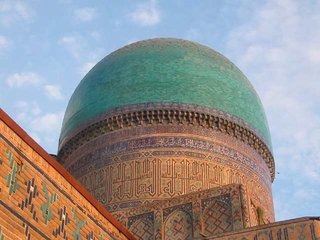
.
Timur and his sons are buried at what site in Samarkand?
.
Which of the following statements near the text and illustrations of the Shahnama or Persian Book of Kings is false?
.
Which of the post-obit statements about Timurid architecture is simulated?
.
Which of the following was the major pattern innovation of the Bibi Khanum Mosque?
.
Which of the following was an artistic and cultural center of the Timurid Empire?
.
Pictorial space as well every bit motifs, such as the peony, cloud bands, dragons, and phoenixes, from which culture were incorporated into Ilkhanid period art?
.
Ceramics produced in which of the post-obit modern countries were highly valued and inspired artistic developments in the Safavid, Ottoman, and Mughal empires?
.
Developments in Safavid architecture and city planning are all-time known past Shah Abbas I's building projects in what urban center?
.
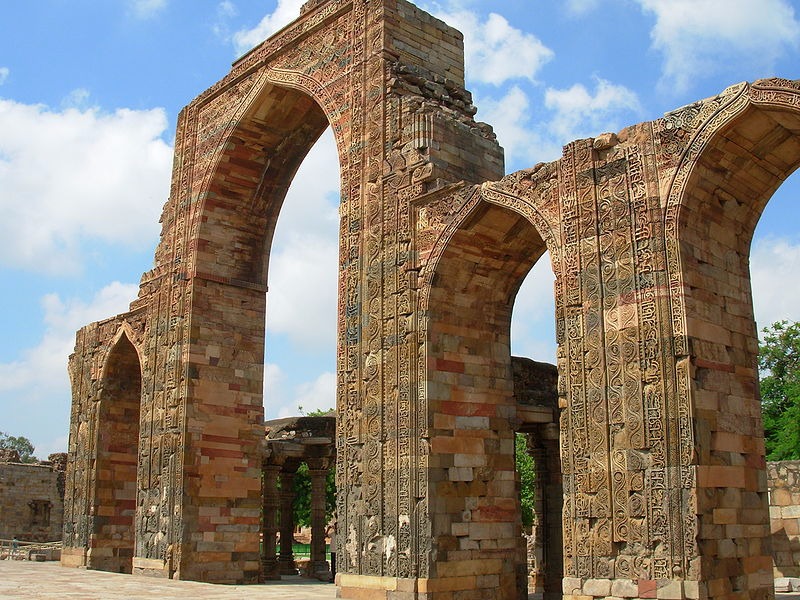
Hindu architectural forms were used in the building of which early Indian mosque, role of which is depicted in this picture?
.
Ishafan was the capital of which 2 Islamic dynasties?
.
Riza 'Abbasi is credited with bringing a new set up of subject field matter to Western farsi painting that included which of the post-obit?
.
The buildings of Fatehpur Sikri are made from what kind of stone?
.
The metropolis of Fatehpur Sikri was founded past which Mughal emperor?
.
The Ottoman ruler Mehmed Ii, "The Conquistador," drew on elements of which of the following traditions in his rebuilding programs at Istanbul?
.
Fill in the blank. The Ottoman Sultan Ahmed III's reign is also known equally the _____________ period, due to the popularity of this flower in floral decorations that replaced the saz style of decoration.
.
The reign of which of the following Ottoman rulers is usually considered to exist the "Golden Age" of the Ottoman Empire?
.
The Safavid rulers are famous for their patronage of which of the following arts?
.
The Taj Mahal is fabricated from what blazon of rock?
.
The trade and economic boom in the seventeenth century Safavid Empire had which of the following furnishings upon the arts?
.
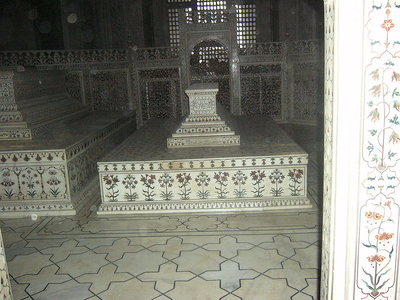
This epitome depicts the interior of what Mughal building?
.
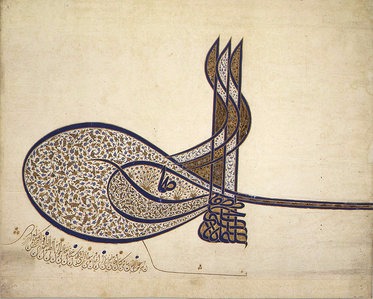
Fill in the blank. This image depicts the _____________ of Suleiman the Magnificent.
.
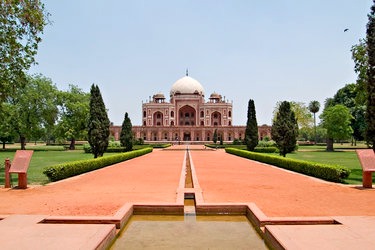
This image depicts which early Mughal construction that was designed by a Persian builder yet includes Hindu domed pavilions surrounding the central dome?
.
This image depicts which massive mosque that was deputed by Shah Jahan?
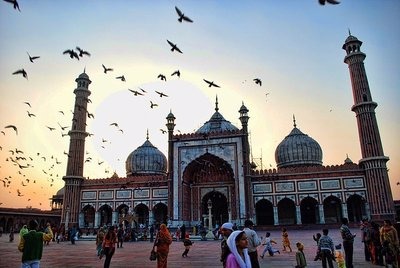
.
This paradigm depicts which Ottoman mosque that incorporates elements of French empire style architecture?
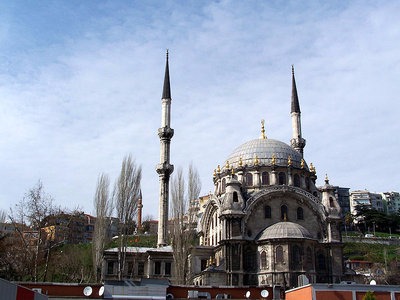
.
This image depicts which Ottoman palace? Its construction began direct after the Ottoman conquest of Constantinople.
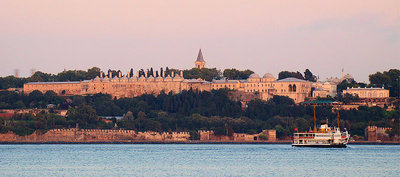
.
This image depicts which Ottoman palace that is an example of neo-Baroque architecture?
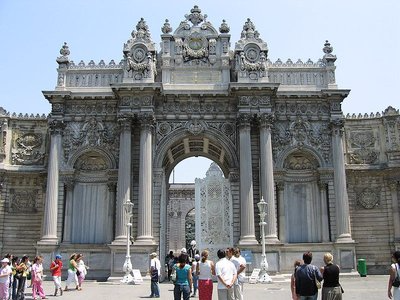
.
This image depicts which structure that is part of Fatehpur Sikri? Originally fabricated of red sandstone, its outside was covered by white marble by Emperor Jahangir.
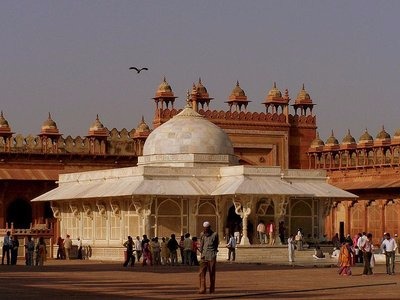
.
This epitome shows which mosque in Constantinople that was designed by the Ottoman architect Sinan?
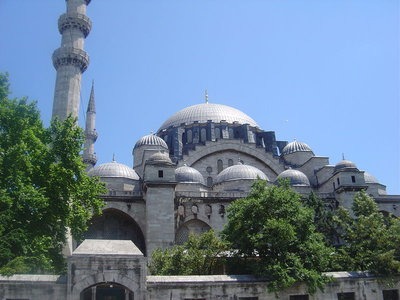
.
Turkish building projects in Constantinople focused upon what?
.
Which nineteenth century Ottoman sultan'south reforms brought nearly an increased fusion of Ottoman and European elements in Ottoman art and architecture?
.
Which of the following characterize illuminated manuscripts fabricated in the atelier of Jahangir?
.
Which of the following statements virtually the Taj Mahal is faux?
.
Which of the following statements about Ottoman mosques is fake?
.
Which of the following statements about carpets in the Islamic earth, c. 1600-1800, is false?
.
Which of the post-obit statements most Mughal compages is simulated?
.
Which of the post-obit statements almost Safavid architecture is false?
.
Which of the post-obit statements most the Shahnama of Shah Tahmasp is false?
.
Which of the following statements about the Topkapi Palace is false?
.
Which of the following statements is true of illuminated manuscripts in the Islamic globe?
.
Which of the post-obit statements is true of Ottoman architecture?
.
Which of the following statements is true of Shah 'Abbas I'south building programs?
.
Which of the post-obit structures was the purple palace built past Shah Jahan?
.
Which of the post-obit sultanates and/or empires were regular trading partners with the urban center of Venice?
.
Which of the following was Russian federation'south biggest import from the Ottoman and Safavid Empires?
.
Who commissioned the Taj Mahal?
.
Who was the first Mughal emperor to establish a majestic atelier for the creation of illustrated manuscripts?
.
Who is one of the most famous Islamic architects that designed buildings throughout the Ottoman Empire, during the reign of Suleiman the Magnificent and Selim Ii?
.
Source: https://saylordotorg.github.io/LegacyExams/ARTH/ARTH303/ARTH303-FinalExam-Answers.html
0 Response to "Ll of the Following Were Art Forms of the Heian Period Except"
Postar um comentário